
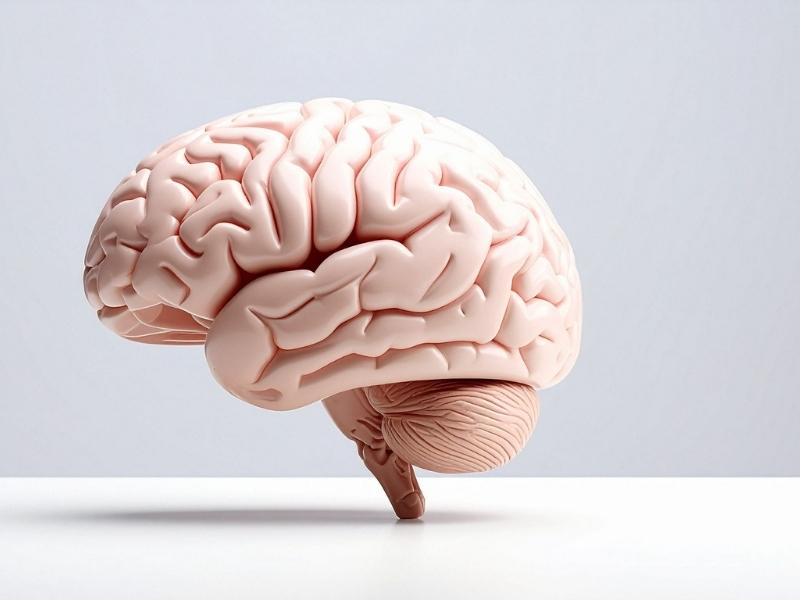
1. The Brain Uses About 20% of the Body’s Energy
Although the brain makes up only about 2% of body weight, it consumes roughly one-fifth of the body’s total energy to function properly.
2. The Brain Contains Around 86 Billion Neurons
Each neuron can form thousands of connections, creating an incredibly vast and complex communication network inside the brain.
3. The Brain Is Faster Than a Supercomputer
Electrical signals in the brain can travel at speeds of up to 268 miles per hour, enabling rapid thinking and reaction.
4. The Brain Does Not Feel Pain
Surprisingly, the brain itself has no pain receptors, which is why brain surgeries can be performed while a patient is awake.
5. Your Brain Is More Active During Sleep
During sleep, the brain processes memories, regulates emotions, and performs critical maintenance tasks, often being more active than when awake.
6. Memories Are Not Stored in One Place
Different aspects of memories—such as emotions, visuals, and sounds—are stored across various regions of the brain.
7. The Brain Can Rewire Itself
This ability, known as neuroplasticity, allows the brain to adapt, learn new skills, and recover from injuries over time.
8. The Brain Produces Electricity
The electrical activity generated by neurons is strong enough to power a small light bulb.
9. Multitasking Reduces Brain Efficiency
Trying to perform multiple tasks at once forces the brain to constantly switch focus, reducing accuracy and productivity.
10. Emotions Influence Decision-Making
The brain’s emotional centers play a major role in choices, meaning decisions are rarely purely logical.

Leave a comment
Your email address will not be published. Required fields are marked *